Mount Shasta Organics: Making (Organic) Lemonade Out of Data Center Lemons

By Anastasia Sprout | Mount Shasta Observer
A recent data center developer inquiry inspired Mount Shasta locals to action. They want to make lemonade out of the lemon legacy of an empty water bottling plant by creating a community cooperative called Mount Shasta Organics and the Mount Shasta Organics Foundation.
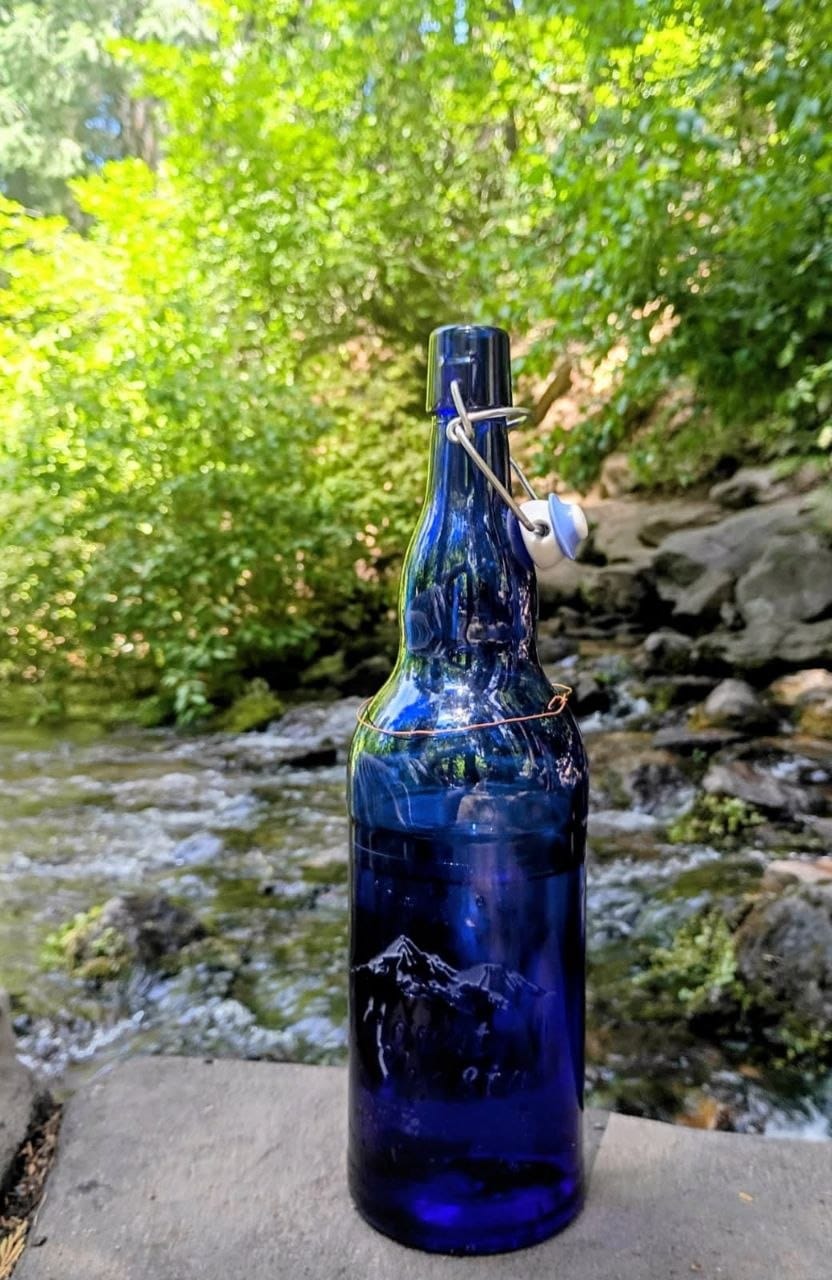
Quandry: How to protect pristine Mount Shasta water and surrounding land while finding a positive use for the 147,000-square-foot structure that was once the scene of a painful seven-year battle between concerned locals and the Crystal Geyser company? The answer has implications far wider than a big wherehouse in a small town of approximately 3,200 souls (not counting the E.T.s, Lemurians, Sasquatch, and other multidimensional friends who are said to also inhabit the area).
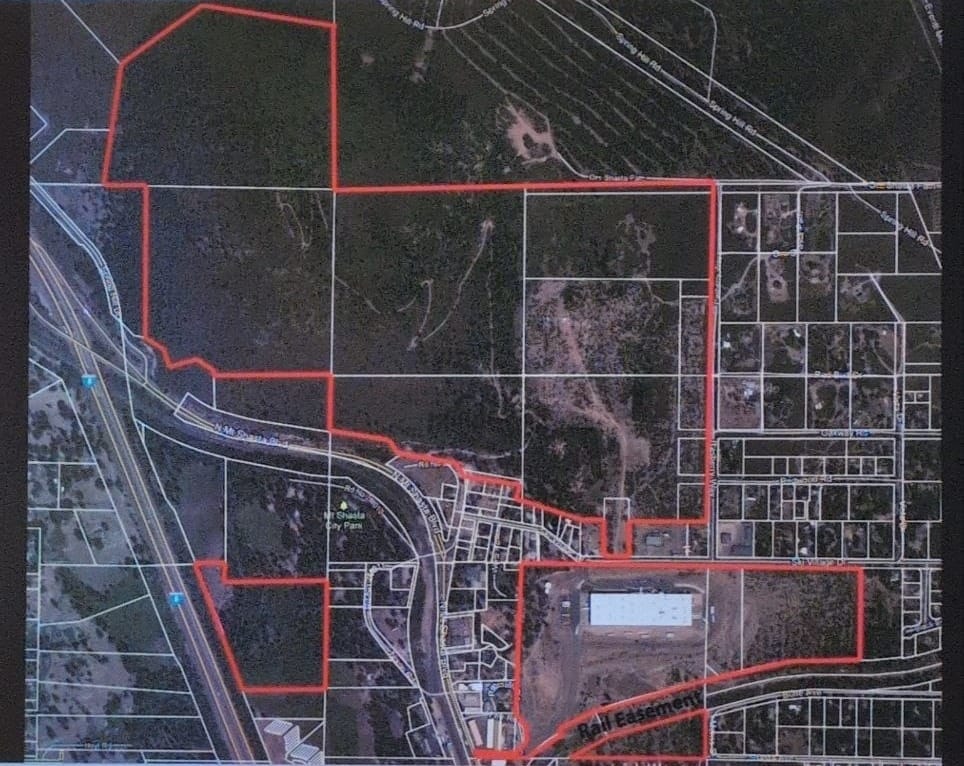
Answer: Mount Shasta Organics, a forming food cooperative and not-for-profit foundation that seeks to acquire the building by winter of 2027 and transform it into a modular temperature-controlled aquaponic/hydroponic garden sanctuary. Aquaponics means water creatures, like raising rainbow trout, perch, catfish, seaweed, dulce, spirulina, barramundi, and possibly freshwater shrimp.

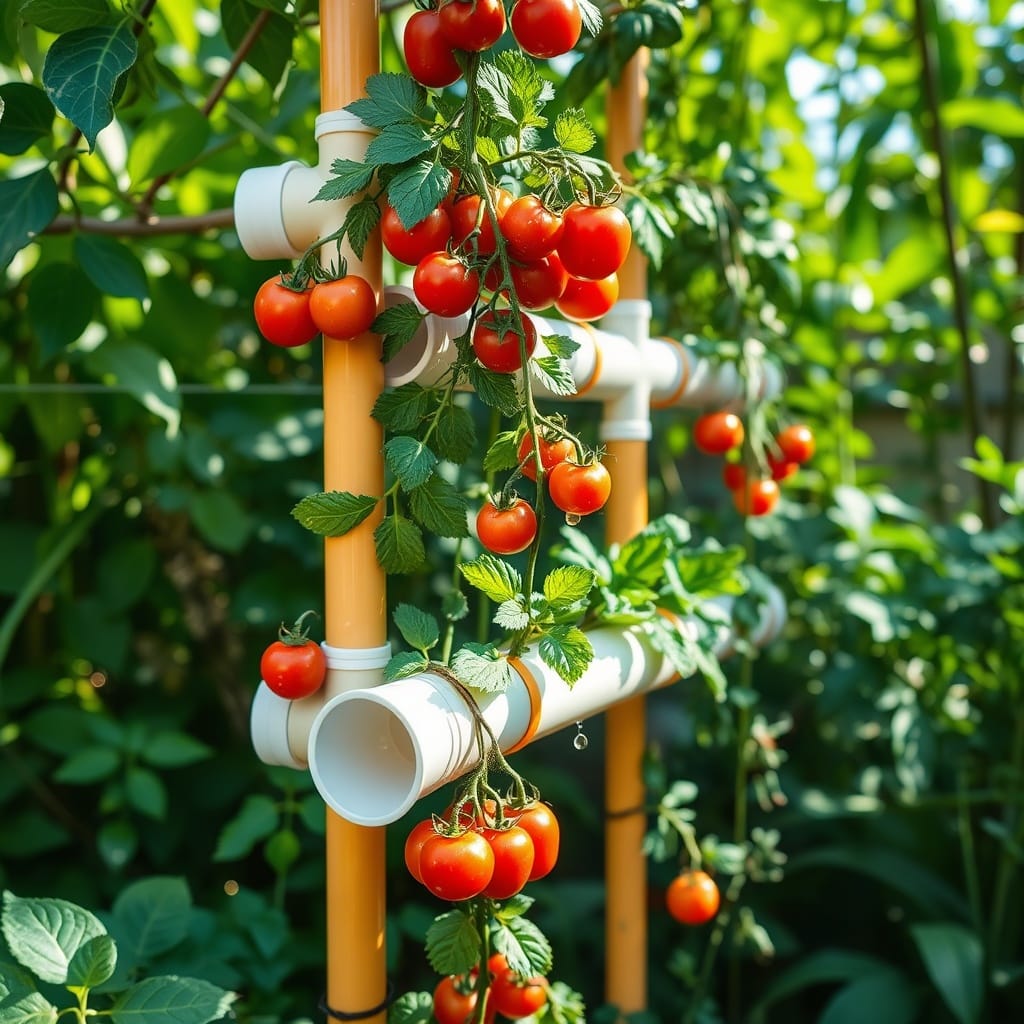
The "sludge," or waste produced by the fish, contains ideal nutrients to fertilize the hydroponic/watergarden cornocopia of dozens of vegetables, microgreens, and medicinal and culinary mushrooms grown year-round in a carefully climate-controlled environment.
Mount Shasta Organics dreams of being an indoor garden of Eden that will amply supply the region with high quality organic produce. Ironically, the vision came from an inquiry using artificial intelligence.
Mini Mount Shasta "Datagate"
Respectful nods to Shasta Scout and SFGate for excellent and timely coverage of the Mount Shasta summer 2026 “Datagate” mini-scandal, when the revelation that a data center developer sought to purchase the old Crystal Geyser plant caused community uproar. Thanks to City Manager Todd Juhasz’ transparency and the local community’s action-packed response (petition, open/centralized documentation, street protests, social media/city leaders' information and opinion expression, and a large, impassioned public showing at both the Siskiyou County Board of Supervisors and subsequent Mount Shasta City Council meetings), the latest version of an old fight may be over before it started.
Reassurances by county and city officials that no active data center project was underway was lauded as a great victory by many locals, perhaps especially by those (including members from the Winnemem Wintu tribe) who led and endured the seven-year water protection battle with the Crystal Geyser bottling plant (launched in 2013). Notice the similarities between Shasta community activism then and now in this statement in a Mount Shasta Herald article by reporter Skye Kincaid on May 17, 2021, “Crystal Geyser pulls out of Mount Shasta water bottling plant.”
“This is really good news ... that we’ve been able to successfully defend our neighborhood from inappropriate development,” said Bruce Hillman, a spokesperson for “We Advocate Thorough Environmental Review[W.A.T.E.R.].” Activists formed the group to oppose Crystal Geyser in Mount Shasta and have since become more vocal about getting businesses to increase sustainability and on water rights issues.
There can be no doubt that many in the Mount Shasta City community and land/water protectors internationally are vehemently opposed to data centers and will instantly mobilize as needed. The petition has obtained over 23,000 signatures. Sadly, some aggressive anti-data center threats were recorded against city representatives/staff, and the Mount Shasta Chief of Police, Robert Gibson, issued an appropriate accountability statement in response.
When pondering the community angst over a new data center proposed for the small town of Mount Shasta City, local organizer Glenn Kaufmann asked AI, "What would be a better use of the abandoned property other than a data center?"
That the same AI associated with data centers co-created the scope and details of this new project idea reveals the question now facing all of humanity: how can artificial intelligence be good, neutral, and harmful?
If Mount Shasta Organics comes to successful fruit-ition, the answer could demonstrate a positive AI-human collaboration...ironically with AI participating in its own limitation.
Can the Mount Shasta Organics Cooperative/Foundation really work? Locals think so.
The project tagline: “Pure water. Clean air. Good vibes. Mount Shasta Organics."
The proposal:
Mount Shasta Organics is a $16.24 million dollar large-scale integrated aquaponics, hydroponics, and specialty mushroom operation organized as a multi-stakeholder cooperative producing certified organic leafy greens, herbs, premium vegetables, high-value fish protein, and gourmet/functional mushrooms for Siskiyou County residents, regional grocery chains, foodservice distributors, restaurant groups, and export markets.
The 120,000 sq ft Controlled Environment Agriculture (CEA) facility combines a full-scale Recirculating Aquaculture System (RAS) with Nutrient Film Technique (NFT), Deep Water Culture (DWC), Dutch Bucket hydroponic zones, and a dedicated Climate-Controlled Mushroom Production Suite (CCMPS).
The aquaponics loop eliminates 35–40% of external nutrient inputs. The mushroom suite closes the biological loop further by consuming fish sludge, CO₂, and crop waste as inputs, generating a fourth high-margin revenue stream with a 9.6-month standalone payback.
The property at 210 Ski Village Drive is already zoned for industrial and agricultural use and once built and operational, this business would employ approximately 38 full-time positions with dozens of ancillary employment opportunities, and would be fully operational by year two, injecting over two million dollars per year in wages into the local economy, and within five years producing a 10 million dollar per year revenue stream, not to mention the enormous tax revenue boost. Mount Shasta Organics would literally be the most water-efficient food production system achievable today at a commercial scale with a 98% water recirculation rate and a daily water usage of approximately 9,000 gallons per day which is less than 2% of what a bottling plant or data center could use.
Capable of supplying a variety of 100% organic leafy greens and herbs, fresh water prawns, trout, microgreens, Dulce and Spirulina, Reishi, Shitake and Lion's Mane mushrooms, Mount Shasta Organics would be a year-round, climate-controlled operation, fully contained within the existing building footprint, with absolutely zero synthetic waste or discharge. Mount Shasta Organics would have a farm store location within the existing building at 210 Ski Village Drive and a brick-and-mortar Yreka location open to the public with discounts for coop members to encourage North County participation.
Mount Shasta Organics could be structured as a multi-stakeholder cooperative venture that distributes profits back to its members rather than outside shareholders. With a conservative estimated population of 40,000 folks for Siskiyou County and a proposed 25% participation rate amongst the county population, a one-time LIFELONG membership fee would be about $400 per person. The Mount Shasta Organics Foundation would make discounted or free memberships available to Siskiyou County residents in need. By year five, co-op members would see yearly dividend checks, in perpetuity mind you, at a rate of approximately 12% growth, per year on their initial one-time membership fee.
Organized as a multi-stakeholder cooperative, Mount Shasta Organics is owned by the community it serves—aligning the interests of worker-members, consumer-members, and institutional buyers while qualifying for USDA cooperative development financing unavailable to conventional business structures.
SBA, USDA, and state agricultural development grants, including dedicated cooperative development funding, are available for approximately 70% of the 16.24 million dollar acquisition and startup costs, with co-op membership and investment equity making up approximately 30%.
And to give this proposal a kick in the pants, I have registered and will offer up the domain name MountShastaOrganics.com.
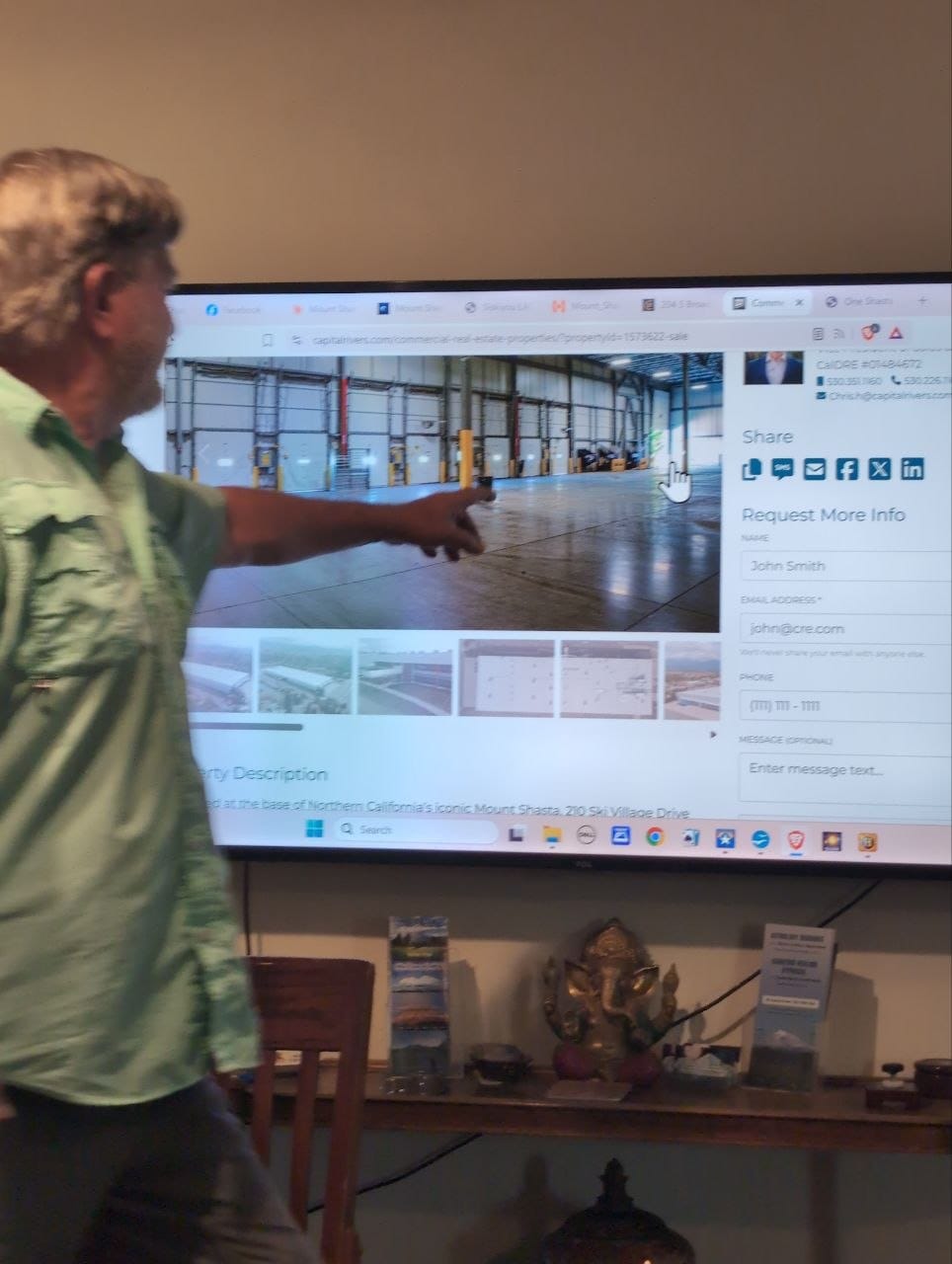
The "Shasta Organics" team seeks to work with local restaurants, grocers, and other businesses to ensure cooperation, not competition. They plan to explore collaboration and inclusion with Siskiyou County, the Siskiyou Land Trust, the City of Mount Shasta (one vision is to expand City Park), and other affiliated entities.
They want to further develop the alternative back route for trucks exiting the building for minimizing noise and traffic disturbance to the surrounding neighborhood. They are seeking experts in many areas of development, including fire safety, alternative power sources, mushroom cultivation, solar technology, electrical and other engineers, and of course leaders in hydro- and aquaponics.
Per Kaufmann, who once worked at the Castle Rock Bottling Plant in Dunsmuir, CA:
We have about 44,000 people who live in Siskiyou County. If we can get 10 - 25% of county residents and workers to join as members, we can make this work financially. We want local member-investors to protect us from unethical venture capitalists taking this over, but we welcome ethical investors. We can start with a small part of the building and grow into more over the next five years. We will establish a board to determine details of membership, and the Mount Shasta Organics Foundation can apply for grants in many different categories: USDA, state of California, agriculture, cooperatives, rural development, producer grants, food security, economic development...the money is there, once we get the minimum up and running.
NEXT STEPS FOR MOUNT SHASTA ORGANICS:
--Mount Shasta Organics has reached out to the current property owner.
--Outreach to county residents and stakeholders to affirm support for this project.
--Approach over thirty-five restaurants/grocers in Siskiyou County to research interest.
-Hire business attorney and tax consultant to advise on creation of Cooperative and Foundation.
--Establish both the Mount Shasta Organics Foundation, guiding principles (for example county food security, educational opportunities) and a General Cooperative California Corporation.
--Start a GiveSendGo account for donations to the Foundation.
--Get a feasibility study of the property/building, a good faith deposit for purchase, and initial development funds (total project startup cost: $250,000).
--If 625 donors gifted $400 each to fund this project's first phase costs, it could take the old bottling plant off the market for good and begin to implement nutritious, sustainable, local organic products for the community.
--With a vibrant, viable building development plan, explore/support annexation of the 60% of the property that is within Siskiyou County boundaries (12 county lots). 40% is within Mount Shasta City limits (10 city lots).
--Secure the propery via Good Faith Deposit.
--Take steps to work with the Winnemem Wintu Tribe and other land/water protectors to re-sanctify and re-consecrate the land in accordance with positive values.
The physical building size is 147,000 square feet, leaving 20,000 square feet unused by the proposed Mount Shasta Organics operations. Lively brainstorming ideas about the remaining building use have included creating an organic restaurant, a juice bar, and a community sanctuary healing space/spa. Further expansive ideas that emerged from that conversation are beyond the scope of this article but were fascinating for this author to envision. I hope to write more about them in the days, weeks and months to come.
What could you imagine adding to a large indoor/outdoor space that could benefit the community?
The one thing it will not do is sell bottled water.

Comments ()