What Is Really Going On With Illegal Marijuana in Siskiyou County?

By Anastasia Sprout | A Mount Shasta Observer Special Report
After years of raids, water battles, dangerous pesticides and warnings from local law enforcement, Siskiyou County's illegal cannabis problem is suddenly becoming national news.
For years, Siskiyou County locals have watched an enormous illegal marijuana industry develop almost in plain sight. Hoop houses appeared by the thousands. Water trucks traveled rural roads. Deputies seized staggering amounts of marijuana, only to find cultivation continuing. Dangerous pesticides began turning up at grow sites. Violence accompanied some operations. And increasingly, law enforcement began warning about something more troubling than illegal marijuana: organized crime, harder drugs, and human trafficking.
Now the rest of the country is beginning to pay attention.
In September 2026, Sheriff Jeremiah LaRue's warnings moved from local meetings and Northern California reporting into national and international media. A new City Journal investigation accompanied LaRue on a raid in Shasta Vista and reported his allegations of Chinese organized-crime connections, overseas money, lookouts, trafficking, violence and toxic pesticides. Those claims are now being amplified across social media, often with much stronger political language, and showing up in feeds everywhere:
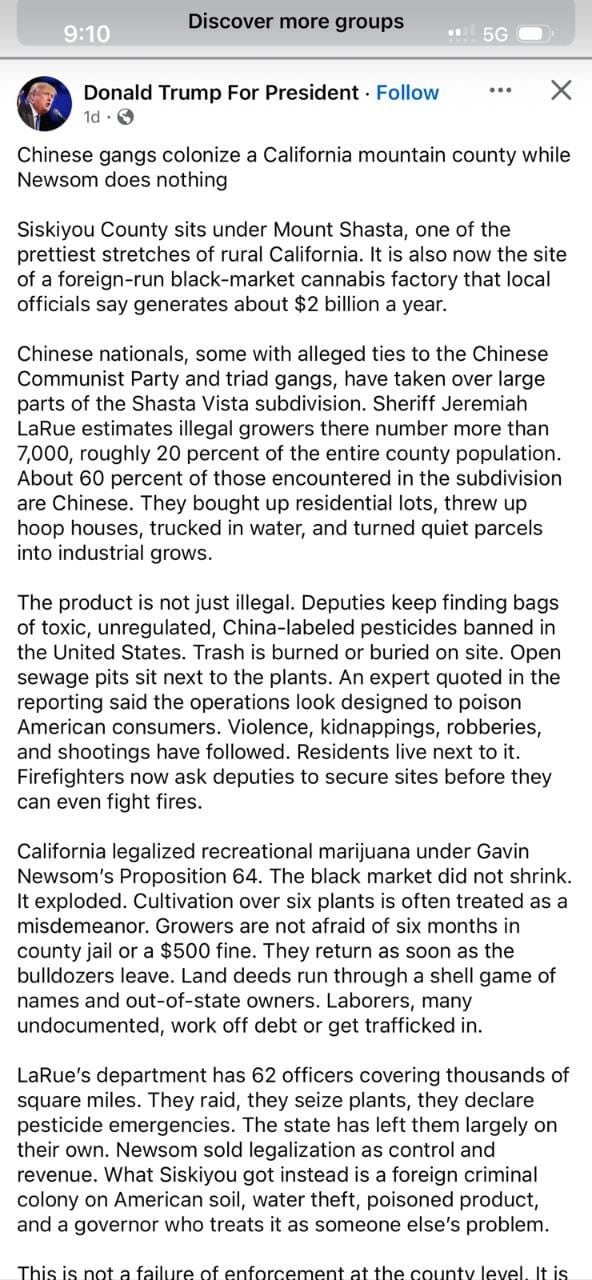
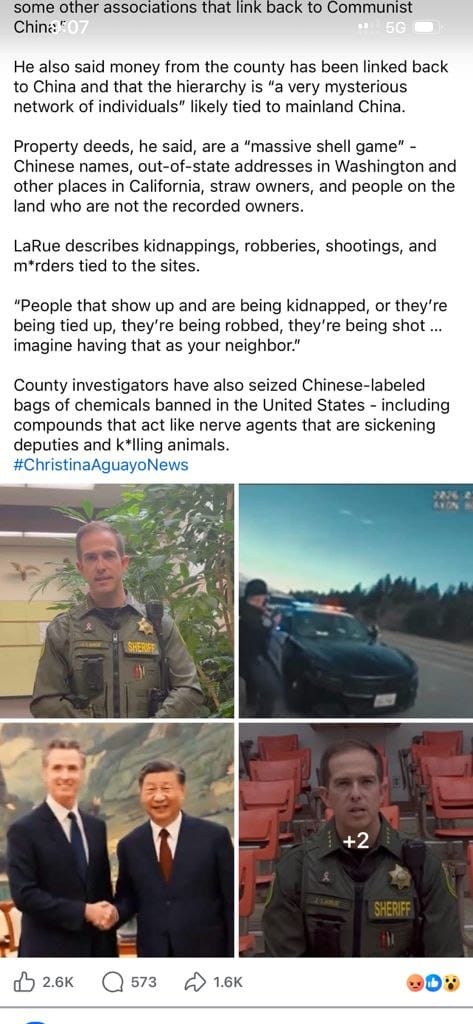
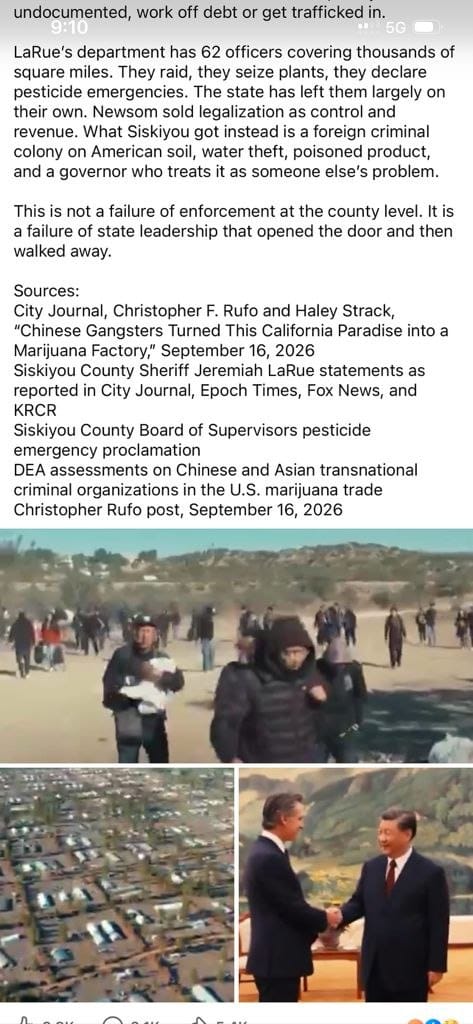
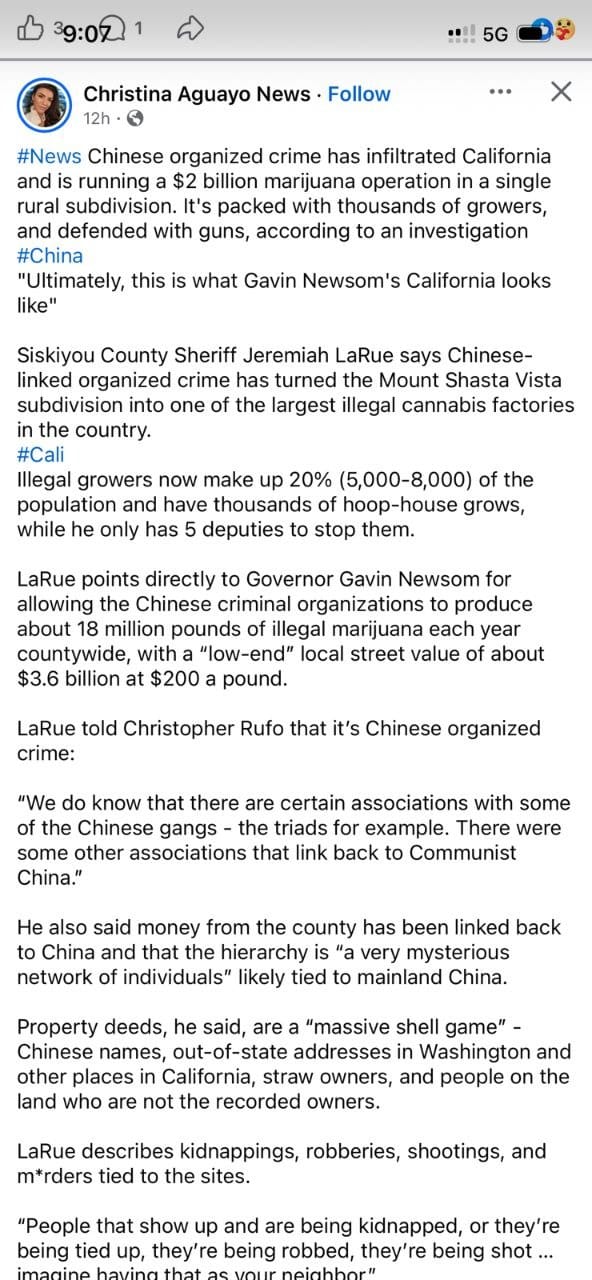
Some of that language is overheated. But underneath it is a very real story Siskiyou County law enforcement has been trying to tell for years.
This Didn't Happen Overnight
Large-scale illegal drug cultivation became particularly visible in Mount Shasta Vista and surrounding areas during the last decade. Siskiyou County prohibited commercial marijuana cultivation, but illegal operations continued to expand.
One early case demonstrated just how lucrative and organized the business could become. In 2017, grower Chi Meng Yang attempted to bribe then-Sheriff Jon Lopey to protect illegal grows. Lopey went to the FBI instead.
Federal agents secretly recorded subsequent meetings. According to the U.S. Department of Justice account of the case, Yang and his sister, Gaosheng Laitinen, supplied Lopey with eight properties they wanted protected from raids. Yang wanted protection for his water trucks as well and at one point asked the sheriff to raid a competing grower. Yang was ultimately convicted of bribery, conspiracy to commit bribery and manufacturing more than 100 marijuana plants and sentenced to five years and 11 months in federal prison. (Justice.gov)
That case established something important years before today's national headlines: at least one organized marijuana operation in Siskiyou County was lucrative enough that its operator attempted to corrupt the county's elected sheriff to protect it.
Follow the Water
For many Mount Shasta residents, one of the first visible signs of the industry's scale was water.
Large trucks were seen filling with water locally, including at the Sacramento River Headwaters in Mount Shasta City Park. Residents remember commercial-sized vehicles pulling close to the spring and taking quantities far beyond the bottles and jugs traditionally filled there. Physical posts and barriers were eventually installed preventing vehicles from driving directly to the water's edge.
A local law-enforcement source told the Observer that water was being hauled from the Headwaters for cannabis cultivation and that stopping large vehicles from accessing the spring was one reason for the barriers.
The large water-hauling problem is extensively documented. In 2017, Yang specifically sought the sheriff's protection for the two water trucks he used to water his marijuana grows, according to federal prosecutors. (Justice.gov)
By 2021, Siskiyou County had imposed emergency restrictions on vehicles carrying more than 100 gallons of water on designated roads serving Mount Shasta Vista. The objective was to disrupt the huge quantities of trucked water supporting illegal cultivation.
But legitimate residents needed water too.
Hmong and other Asian-American residents argued that the restrictions prevented families who weren't growing marijuana from obtaining water for drinking, bathing, cooking and other domestic needs. That fight ultimately reached federal court.
The Conflict Becomes Deadly: The Lava Fire Shooting
During the June 2021 Lava Fire evacuation, tensions in Mount Shasta Vista culminated in a fatal officer-involved shooting. Soobleej Kaub Hawj, 35, was killed at a checkpoint near Shasta Vista Drive and County Road A12. Siskiyou County District Attorney Kirk Andrus later found the shooting legally justified, reporting that Hawj pointed a loaded handgun at officers and drove his truck toward them. Authorities found additional firearms and 132 pounds of marijuana in his truck. Hawj's family disputed the official account and later filed a wrongful-death lawsuit. Public-record video obtained by the Sacramento Bee corroborated significant portions of the DA's account while also showing confusion during the chaotic wildfire evacuation. (Sacramento Bee)
The shooting became another flashpoint in the growing conflict over cannabis enforcement, water restrictions and the treatment of Hmong residents—and helped set the stage for the civil-rights litigation that followed. (Sacramento Bee)
The Hmong Lawsuit Is Part of This History
In 2022, Hmong and other Asian-American residents filed Mathis v. County of Siskiyou, alleging discriminatory traffic stops, searches, liens and water restrictions associated with the county's cannabis enforcement. The County disputed allegations that its enforcement was unlawfully discriminatory.
The litigation ultimately resulted in settlements affecting both policing practices and water access. On June 30, 2026, the federal court approved the final settlement of the remaining water claims, including an injunction protecting transfers of water for domestic uses to residents of Mount Shasta Vista. The injunction initially runs five years and can potentially be extended. The case documents and settlements are collected by the ACLU of Northern California here. (ACLU of Northern California)
The lawsuit doesn't erase the enormous illegal cannabis industry deputies were confronting, nor does a settlement mean every allegation against law enforcement was proven. But it illustrates how difficult this situation became: law enforcement was trying to identify enormous illegal commercial grows scattered among rural parcels where ordinary families also lived.
That distinction remains essential today. Hmong, Chinese, Asian, illegal marijuana grower and organized criminal organization are not interchangeable descriptions. Criminal organizations should be identified through evidence about what they do, how they're financed and who controls them—not ethnicity.
The Numbers Became Enormous
By 2023, California was conducting massive enforcement operations in Siskiyou County, but LaRue argued that even the state's numbers represented only a fraction of what was being produced.
In 2024, LaRue estimated Siskiyou County was producing between 12 million and 16 million illegal marijuana plants annually. The Los Angeles Times compared that estimate with approximately 750,000 plants seized by the state's EPIC program across 36 counties that year. Even if EPIC had concentrated entirely on Siskiyou, LaRue argued, it would have eradicated only a small fraction of his estimate. (Los Angeles Times)
Mount Shasta was participating too. Chief Robert Gibson's January–June 2026 Community Enhancement Program report presented area cannabis-related activity during the period: 76,402 marijuana plants, 4,104 pounds of processed marijuana, 66 locations, 36 illegal firearms and $38,938 seized.
The enforcement numbers are important because they move this discussion beyond rhetoric. Whatever the exact size of the underground economy, authorities are not dealing with a handful of backyard marijuana gardens.
Mount Shasta City Joins the Fight
Mount Shasta's involvement became formal through its Proposition 64 Community Enhancement Program, a state-funded program running from May 2023 through April 2028, with Police Chief Robert Gibson serving as Project Director. The funding allowed the Mount Shasta Police Department to hire a full-time task-force officer to address the impacts of illegal cannabis cultivation throughout the region. That officer participates in the North State Major Investigation Team (NSMIT), giving Mount Shasta City a direct role in a much larger regional drug-enforcement effort. The City's grant specifically calls for “full participation” in NSMIT investigations of illegal marijuana cultivation, transportation and sales and development of intelligence about drug-trafficking patterns in Siskiyou County and Mount Shasta. (BSIS)
NSMIT is a California Department of Justice-led regional task force. A 2018 state description of the task force lists participating agencies as:
- California Department of Justice
- California Highway Patrol
- Shasta County Sheriff's Office
- Siskiyou County Sheriff's Office
- U.S. Bureau of Land Management
- California National Guard Counterdrug Operations
The same document explains that NSMIT changed its name that year from the North State Marijuana Investigation Team to the North State Major Investigation Team, expanding its focus to illicit narcotics, violent crime and criminal organizations. (BSIS).
Local Reporters Were Already Sounding the Alarm
Long before Siskiyou County's cannabis problem suddenly became a national political story, Northern California reporters were documenting what local law enforcement was encountering.
In May 2022, journalist Kym Kemp's Redheaded Blackbelt published a remarkable story headlined “Please Help Us,” after Sheriff LaRue publicly appealed to Elon Musk for assistance. Kemp's reporting showed enormous grow operations containing multiple 4,000-gallon pools repeatedly filled by water trucks, with pipes running from the pools directly into hoop houses. LaRue described animal abuse, environmental crimes, suspected human trafficking and an illegal industry his small department could not possibly eradicate on its own.
Read Redheaded Blackbelt's 2022 “Please Help Us” report
That story is particularly interesting to reread today because it shows that LaRue's warnings about human trafficking, water, organized cultivation and inadequate resources were already public more than four years ago. It also included an important counterpoint: state water regulators concluded cannabis groundwater use was substantially smaller than other irrigation uses in the basin.
Kemp continued following the environmental side of illegal cannabis. In 2022, Redheaded Blackbelt reported Forest Service research finding banned pesticides in surface waters downstream from illegal grow sites and previous evidence of risks to wildlife including Pacific fishers and northern spotted owls.
Read Redheaded Blackbelt's report on downstream contamination
Siskiyou News has also provided an important local record. In July 2024, it reported a traffic stop near Weed that resulted in the seizure of 1,333 pounds of marijuana from a single vehicle.
Read Siskiyou News' 2024 marijuana shipment report
By January 2025, Siskiyou News was reporting that LaRue had taken the problem all the way to Capitol Hill, where he raised concerns about foreign pesticides, environmental destruction, illegal water diversion, labor exploitation and animal abuse. He argued that what had once been regarded as a California cannabis problem had become a national problem.
Read Siskiyou News: Sheriff LaRue Takes Cannabis Concerns to Capitol Hill
Then Deputies Started Finding Something More Dangerous - Toxic Chemicals
By 2025, this wasn't merely an illegal-marijuana problem.
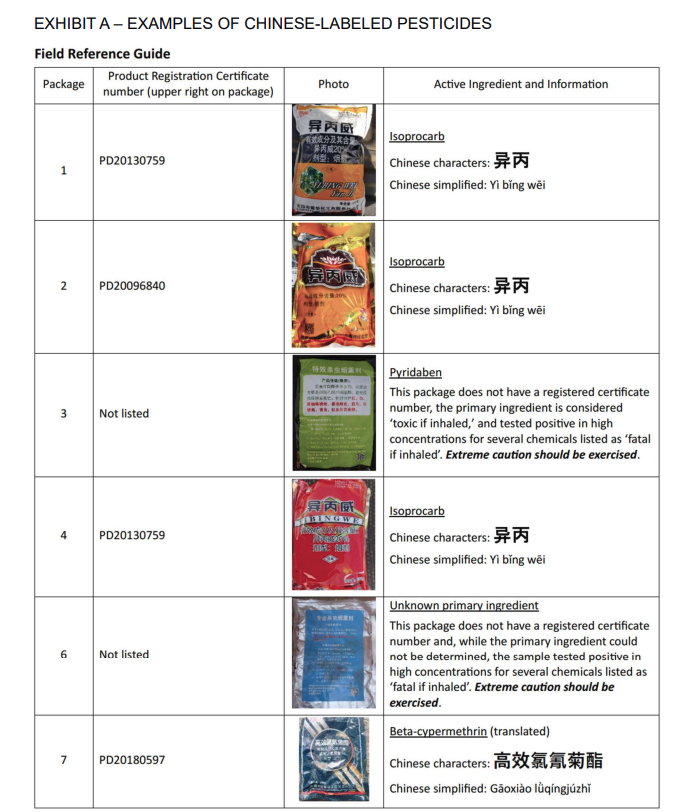
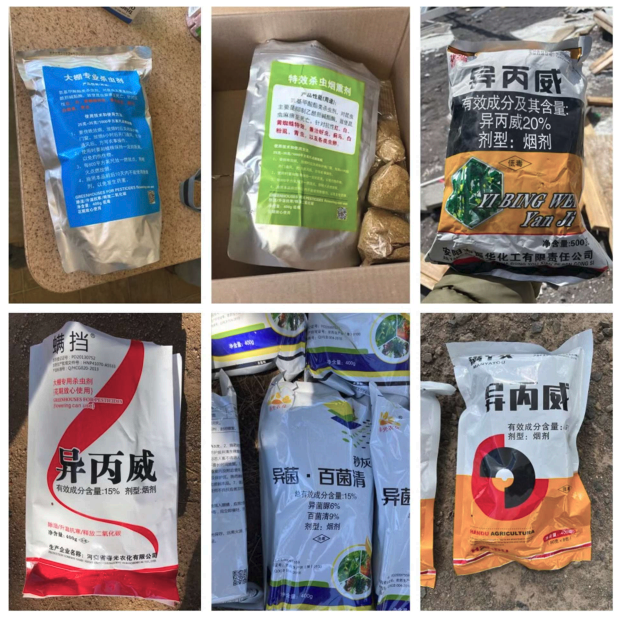
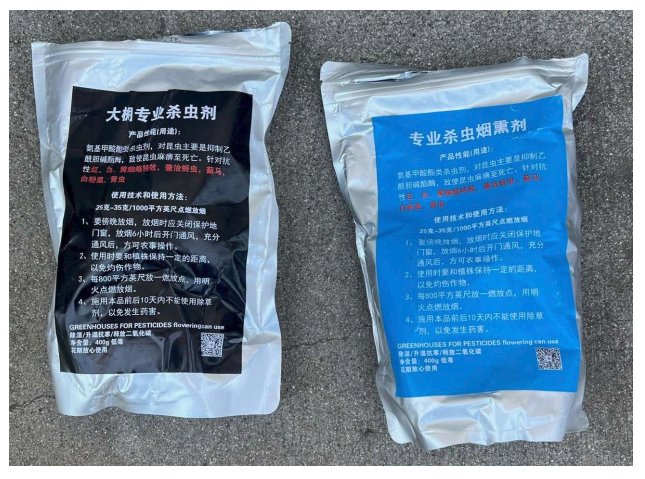
Investigators were repeatedly encountering foreign-labeled pesticides and other chemicals at cultivation sites. On July 1, 2025, the Siskiyou County Board of Supervisors unanimously declared a local state of emergency.
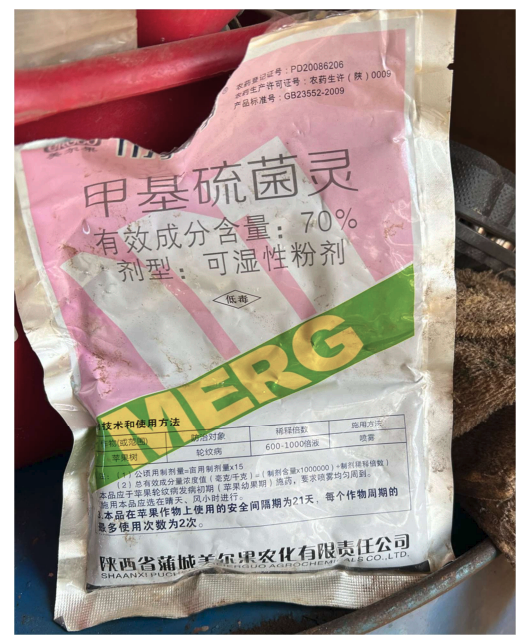
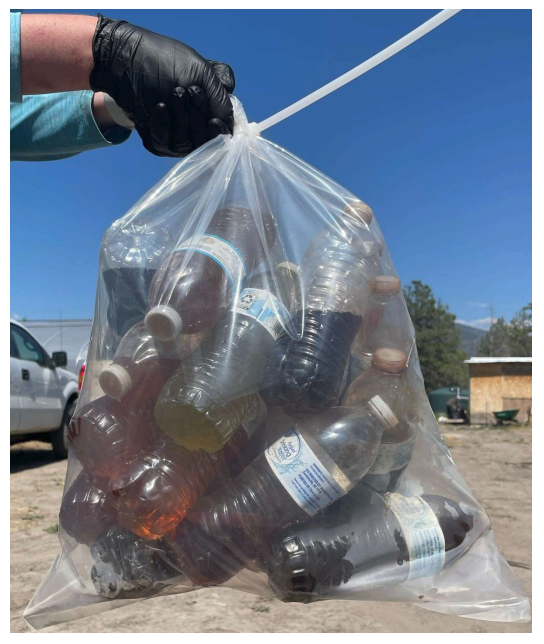
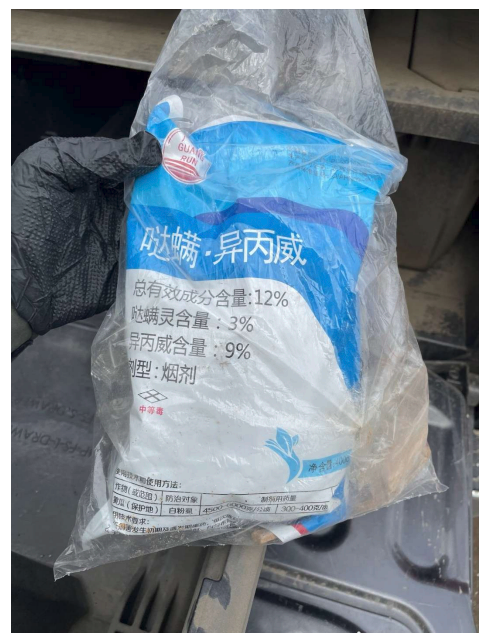
Siskiyou County Proclaims Local State of Emergency in Response to Illegal Pesticides
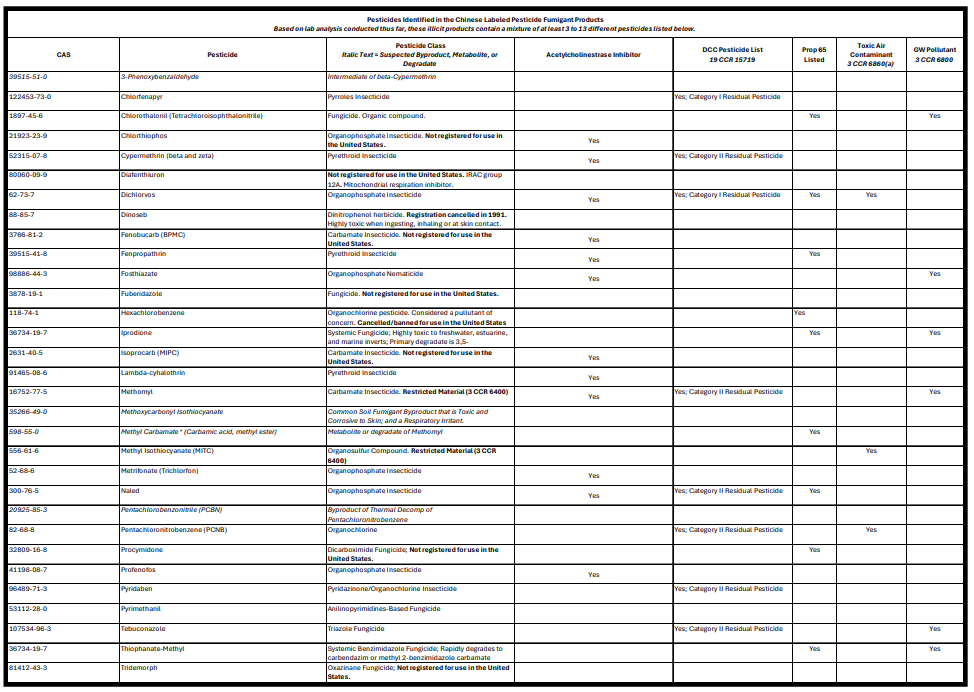
The County's Emergency Declaration says approximately 176 investigations since 2023 had revealed widespread misuse of highly toxic Chinese-labeled pesticide products, with Thai- and Spanish-labeled products found less frequently. The County formally described illegal importation and distribution of foreign-manufactured pesticides as a “transnational criminal threat.”
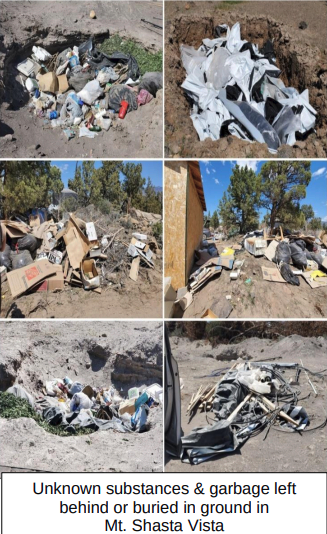
The environmental concern extends beyond human exposure. Reporting from Siskiyou has documented garbage, human waste, fertilizer and pesticide containers accumulating around illegal grows and concerns about impacts on wildlife and surrounding ecosystems. (The Guardian)
The County asked for greater assistance. Then the federal government responded.
On July 17, 2025, EPA Pacific Southwest Regional Administrator Josh Cook announced that he had directed EPA Region 9 law enforcement to investigate immediately. His statement specifically referred to Siskiyou County's allegations concerning illegal importation, distribution and burning of foreign-manufactured pesticides and chemicals. (US EPA)
Redheaded Blackbelt followed the same emergency and subsequently reported EPA Region 9's decision to launch a federal investigation. LaRue described what his department was confronting as larger than marijuana itself, pointing to environmental destruction, human trafficking, banned fumigants and transnational organized crime.
Read Redheaded Blackbelt's EPA investigation report
Again, this was July 2025—not September 2026.
That is significant. Whatever conclusions the federal investigation ultimately reaches, the pesticide problem was serious enough to trigger a federal environmental law-enforcement investigation.
What About California's Marijuana Laws?
Local law enforcement has repeatedly argued that California created an enormous enforcement problem when legalization left relatively weak consequences for many illegal cultivators.
LaRue told the Los Angeles Times that most illegal-cultivation offenses don't carry penalties harsh enough to deter production. Another California law-enforcement official summarized the problem as “minimal downside and massive upside” for illegal growers. (Los Angeles Times)
The Guardian, reporting directly from Siskiyou County in 2024, similarly described fines amounting to only hundreds of dollars in some cases and reported LaRue's argument that illegal cultivation expanded around the same time legalization took effect because operating illegally can be considerably cheaper than complying with California's regulated cannabis system. (The Guardian)
Read the Guardian's reporting from Siskiyou County
A local law-enforcement source put the proposed solution to the Observer more simply: large-scale illegal commercial cannabis cultivation should be a felony.
Whether California should make that change is ultimately a policy decision for lawmakers and voters. But the underlying question deserves serious examination: Are today's penalties strong enough to deter an illegal industry capable of generating millions of dollars from a single operation?
Did California’s Cannabis System Fail Small Growers?
When The Discovery Channel's Weed Country aired in 2013, America's cannabis laws were undergoing a dramatic transition. Colorado and Washington had just become the first states to legalize recreational cannabis for adults, while California and Oregon still prohibited recreational sales but permitted medical marijuana under certain circumstances.
Much has changed since then. Oregon legalized recreational cannabis in 2014, and California voters followed with Proposition 64 in 2016. Today both states have regulated legal cannabis industries. California adults 21 and older may possess cannabis and grow up to six plants at home, while commercial cultivation and sales require licenses and remain subject to state and local regulation.
But legalization did not eliminate illegal cultivation. The California DCC — Where cannabis businesses are allowed report shows that 56% of cities and counties still prohibit retail cannabis businesses, creating a patchwork in which cannabis may be legal under state law while legal commercial access varies dramatically by location.
That makes the old Weed Country story particularly interesting in hindsight. The battle portrayed then was largely growers versus law enforcement. Today's story is considerably more complicated: legal growers, illegal growers, state regulators, local bans, collapsing prices, licensed-market diversion, organized criminal operations and law enforcement all occupy different parts of the same cannabis landscape.
California legalized recreational cannabis with the stated goal of creating a regulated industry that included small and medium-sized businesses. Proposition 64 initially delayed large cultivation licenses for five years, in part to give smaller operators an opportunity to establish themselves.
But state-funded UC Berkeley research found that regulators allowed businesses to “stack” multiple smaller licenses, effectively allowing much larger cultivation operations to develop before that five-year period expired.
UC Berkeley — Transformation of Unregulated Cannabis Cultivation Under Proposition 64
The legal market then experienced severe oversupply. Researchers documented falling wholesale prices, high regulatory costs and widespread attrition among growers. Some cultivators couldn't find buyers, some sold below their cost of production, and some left the licensed industry altogether.
Smaller growers were particularly vulnerable because permitting, environmental compliance, licensing and other fixed costs consume a much greater share of a small farm's revenue than that of a large operation.
UC Berkeley — Smaller Cultivation & California Cannabis Policy
By January 2026, UC Berkeley researchers reported only 4,416 active cultivation licenses, with some individuals or companies controlling multiple licenses. Their research identifies overproduction, overlicensing, underconsumption and overinvestment among the forces that reshaped California's cannabis economy.
UC Berkeley — 2026 Cannabis Cultivation Report
The state now regulates this market primarily through the Department of Cannabis Control (DCC). The Department licenses businesses, establishes regulations and conducts enforcement, while California also collects cannabis-related taxes and fees.
None of this proves that California deliberately intended to eliminate independent growers or transfer the industry to large operators. But it raises a legitimate accountability question:
If the state designed and regulated the legal cannabis marketplace, how much responsibility does it bear for creating conditions in which many of the small entrepreneurs legalization was supposed to accommodate could no longer survive?
That question becomes especially important when we look at what happened next.
Did the Legal Market Feed the Illegal Market?
Legalization did not simply replace California's underground cannabis economy with a regulated one. The legal and illegal markets continued to intersect.
State-funded UC Berkeley research found that excessive production, insufficient legal outlets and declining wholesale prices created powerful incentives for cannabis to move outside California's regulated supply chain. Some operators who attempted to become legal ultimately returned partly or entirely to unlicensed markets when the economics of remaining legal no longer worked.
UC Berkeley — Transformation of Unregulated Cannabis Cultivation
Perhaps most significantly, California's own cannabis regulator now acknowledges that diversion can occur from inside the licensed industry.
In proposed 2026 regulations, the Department of Cannabis Control says it discovered that some licensees were exploiting weaknesses in California's seed-to-sale tracking system. According to DCC, businesses could create incomplete or fraudulent transfers that made cannabis disappear electronically from their inventories and then divert the actual product into the illegal market. DCC says the practice can even produce shipping paperwork that could falsely make the transportation appear legitimate if law enforcement stops the vehicle. (Department of Cannabis Control)
California DCC — Track-and-Trace Investigation and Proposed Reforms
That is an important distinction for understanding California's cannabis problem. The underground market isn't composed exclusively of people who simply refused to participate in legalization. Cannabis can begin within the licensed system and subsequently be diverted outside it.
California is currently attempting to close some of those loopholes. DCC's proposed reforms would require both sides of cannabis transfers to approve transactions before shipping manifests are generated, making it harder to create fictitious transfers. The Department explicitly says the purpose includes preventing diversion that undermines legitimate operators. (Department of Cannabis Control)
California DCC — Proposed Track-and-Trace Regulations
At the same time, California has increasingly emphasized enforcement against the illicit market. DCC's current strategic plan specifically lists “Sustained Pressure on the Illicit Market” alongside another priority that is revealing in itself: “Reduced Friction for Licensees.” The Department says both are necessary to strengthen California's regulated market. (Department of Cannabis Control)
California DCC — 2026–2031 Strategic Plan
As stated above, the result is a more complicated picture than legal growers versus illegal growers.
None of that means California policy deliberately created the enormous unlicensed cultivation operations, environmental destruction or organized-crime activity now confronting Siskiyou County. Those require their own evidence.
But it does mean that California's illegal cannabis crisis cannot be completely separated from the regulatory system the state created to solve it.
And that may be one of the larger questions running through this entire story:
Did California merely inherit an illegal cannabis market—or did some of the choices made during legalization inadvertently help reshape and perpetuate it?
It's Not Just Marijuana
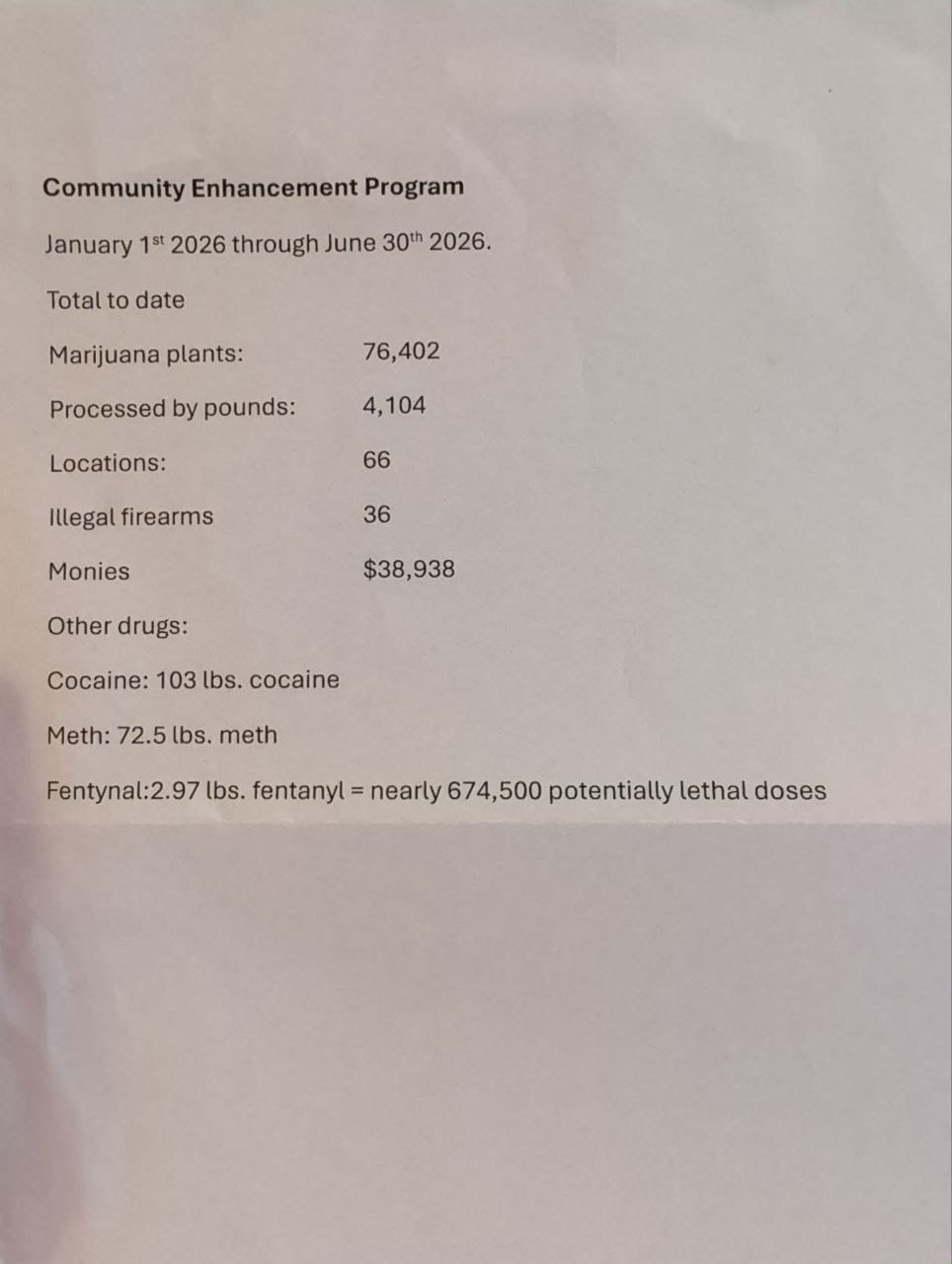
For years, Siskiyou County’s drug-enforcement picture has largely been framed as a marijuana story. However, Chief Robert Gibson’s latest Community Enhancement Program report at the June Mount Shasta City Council meeting shows a much broader picture. Because Interstate 5 is a major north-south transportation corridor, a drug seizure made here does not necessarily establish where the drugs originated or where they were ultimately headed.
Gibson's January–June 2026 NSMIT report lists 103 pounds of cocaine, 72.5 pounds of methamphetamine and 2.97 pounds of fentanyl—nearly 674,500 potentially lethal doses—alongside the task force's cannabis seizures.
Other local cases reinforce that finding. In February 2025, a traffic stop on I-5 near Mount Shasta produced more than 2.6 kilograms of fentanyl along with marijuana; the Sheriff’s Office estimated the fentanyl represented more than 1.3 million potentially lethal doses.
Redheaded Blackbelt — Fentanyl and cannabis seizure near Mount Shasta
Two months later, Weed Police reported discovering approximately 170 pounds of cocaine during another Siskiyou County traffic stop.
Siskiyou News — Weed Police cocaine seizure
This broader work is consistent with NSMIT’s official mission. The California Department of Justice-led task force is authorized to investigate the manufacture and trafficking of all illicit narcotics and dangerous drugs, as well as violent crime and criminal organizations.
California BSCC — NSMIT description and mission
These cases show that the regional drug problem—and the work Mount Shasta is participating in through NSMIT—extends well beyond marijuana.
Then Came the Human-Trafficking Question
Perhaps the most disturbing development is what law enforcement says it is encountering among the people working inside some cannabis grows.
Sheriff Jeremiah LaRue has repeatedly raised concerns about labor trafficking in Siskiyou County's illegal cannabis industry. Those concerns now appear in Siskiyou County's 2025 Community Health Needs Assessment, which states that the Sheriff's Department has encountered labor-trafficking cases at illegal grows. According to the report, individuals have been dropped off and expected to work for long periods, and some were told they would not be paid until the marijuana was harvested and sold.
Read the 2025 Siskiyou County Community Health Needs Assessment
And Siskiyou County is not alone.
In southern Oregon, an extensive ABC News investigation documented migrant workers who described being recruited to work at illegal marijuana farms only to find themselves unable to leave. One worker told ABC that armed guards controlled the workers' movements. Workers described extremely long hours, primitive living conditions and ultimately receiving no pay. Homeland Security Investigations told ABC that investigators had begun looking at these operations not simply as marijuana cases, but as cases involving the exploitation of people.
ABC News — “Narco slaves”: Migrant workers face abuse on Oregon's illegal pot farms
The phrase “narco slaves” has been used to describe some of these workers. But the terminology shouldn't obscure an important distinction: a person discovered working at an illegal grow isn't necessarily part of the criminal organization operating it. That person could be one of its victims.
There is now a particularly relevant Northern California example. In May 2026, Mendocino County investigators arrested a man on suspicion of human trafficking after a worker reported that he had been forced to live and work at an illegal cannabis cultivation site for approximately two years. Authorities alleged that the worker went without adequate food, bathroom access and pay, and that force, fear, coercion and physical abuse were used to prevent him from leaving. More than 300 cannabis plants and 600 pounds of processed cannabis were reportedly discovered at the property. The allegations remain subject to the criminal process.
Redheaded Blackbelt — Alleged Human Trafficking Investigation Leads MCSO to Illegal Grow Operation
The issue has become sufficiently prominent that Northern California sheriffs are now specifically training deputies to recognize potential trafficking victims at illegal grows. Mendocino County Sheriff Matt Kendall told Jefferson Public Radio that deputies may once have encountered trafficking victims and regarded them as suspects because they did not recognize the signs. Investigators now look for indicators such as an inability to leave, missing identification, extreme living conditions and workers who may not even know where they are.
Then, in August 2026, another disturbing case emerged in neighboring Lake County. Forty-six-year-old Yufang Lan was dropped off unresponsive and in cardiac arrest at Adventist Health Clearlake Hospital on August 21 and died six days later. According to the Lake County Sheriff's Office account, detectives learned she had been working at a permitted cannabis cultivation operation in Lower Lake and developed information about possible illegal and hazardous chemicals at the property.
When investigators searched the operation August 31, they contacted approximately 20 workers and reported finding 55,069 cannabis plants, 6,000 pounds of processed cannabis, illegal chemicals, two firearms and approximately 20,000 gallons of contaminated liquid requiring specialized disposal. The Sheriff's Office said its investigation into Lan's death and activities at the property was continuing.
Importantly, authorities have not said Lan was a trafficking victim or determined that chemical exposure caused her death. But the case puts worker conditions, hazardous chemicals and a massive cannabis operation together in another active Northern California investigation.
Taken together, these cases change how the people encountered at cannabis grows should be viewed. Some may be willingly participating in criminal enterprises. Others may be migrant laborers recruited with promises of legitimate work, workers who have not been paid, or people being controlled through threats, isolation, debt, physical force or fear.
Desecration of Sacred Places
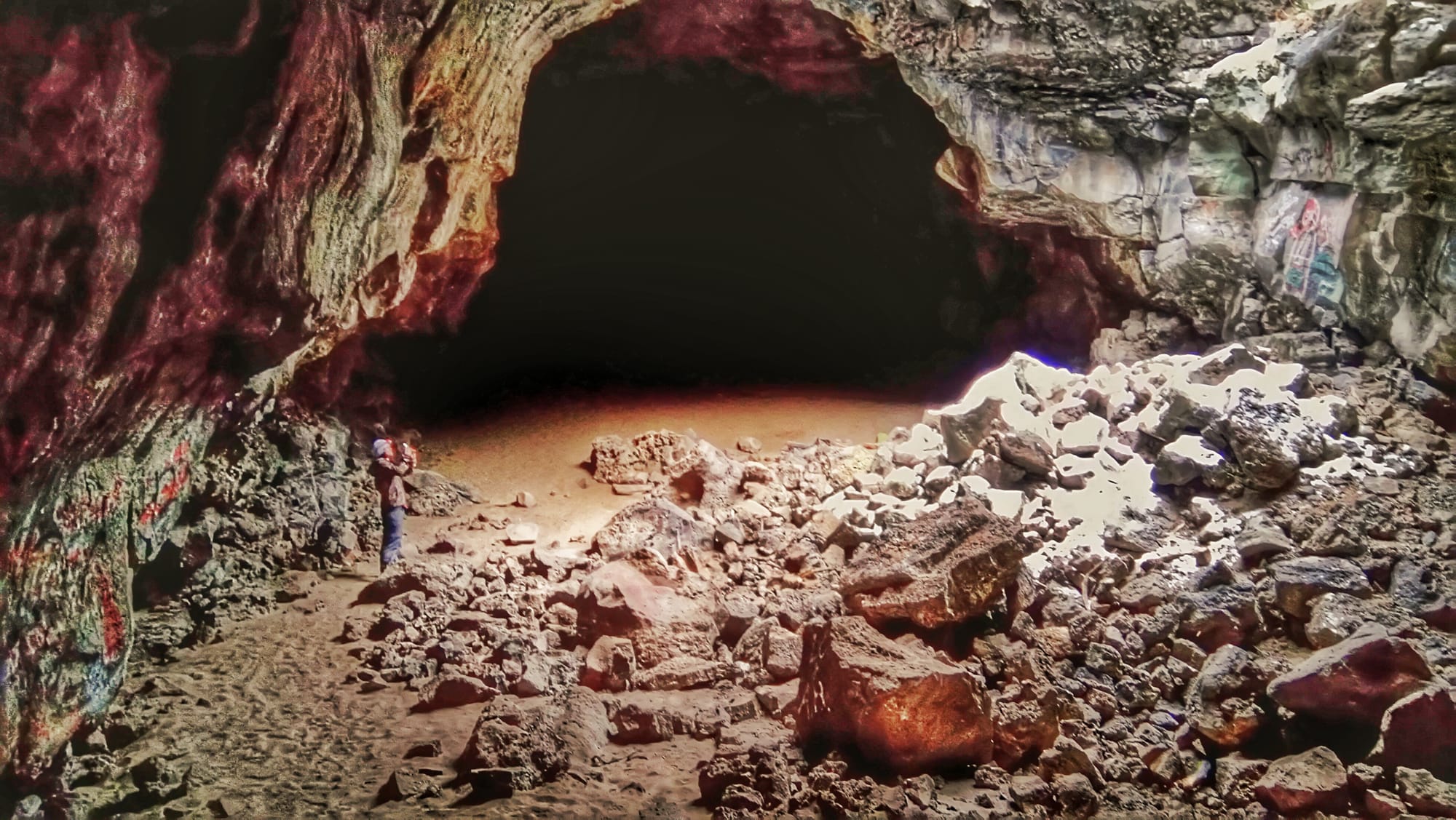
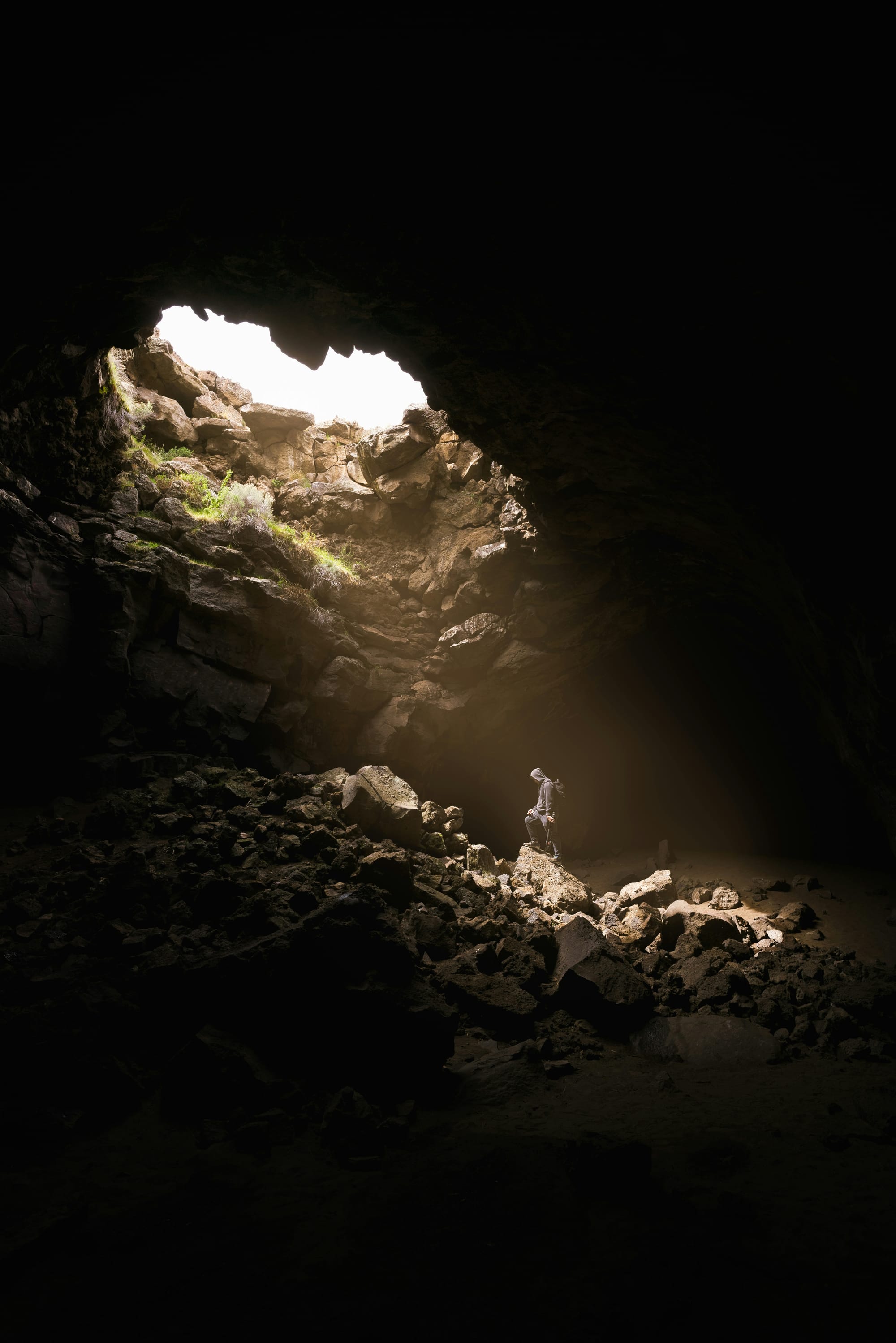
The environmental damage caused by illegal cannabis cultivation takes on another dimension around Pluto's Cave, an ancient lava tube on the northern flank of Mount Shasta. The cave is estimated to be about 190,000 years old, and the surrounding volcanic landscape has a much longer human history than its 19th-century name suggests. (Wikipedia)
Pluto Cave Trail — Hike Mt. Shasta
What makes the cannabis connection particularly significant is that it isn't merely anecdotal. Siskiyou County's own Shasta Valley Groundwater Sustainability Plan identifies the “Pluto's Cave Basalt flow,” commonly known as the Big Springs/Shasta Vista area, as the location of the illegal cannabis grows of greatest concern within the groundwater basin. The report also identifies important springs in this same formation and describes illegal cultivators relying on groundwater and water trucks. (Siskiyou County)
Siskiyou County — Shasta Valley Groundwater Sustainability Plan
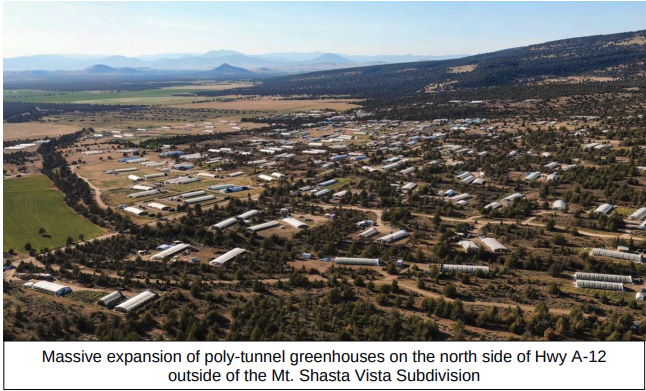
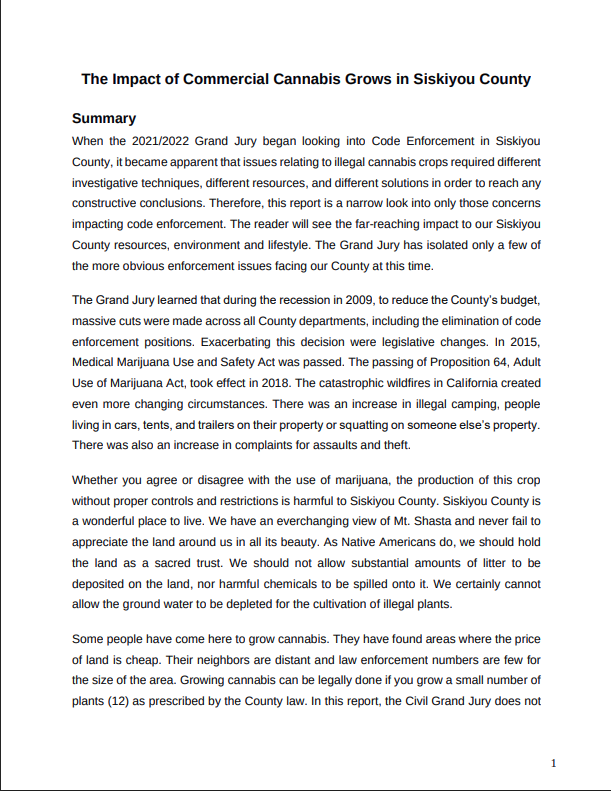
The scale of development in the surrounding landscape is extraordinary. A Siskiyou County Civil Grand Jury report compared Mount Shasta Vista before and after the proliferation of cannabis cultivation and estimated 2,500 to 3,000 greenhouse grow sites across an area of just over six square miles. The report describes a landscape once dominated by juniper, lava-filled gullies and ridges where much of the vegetation had subsequently been removed. (Siskiyou County)
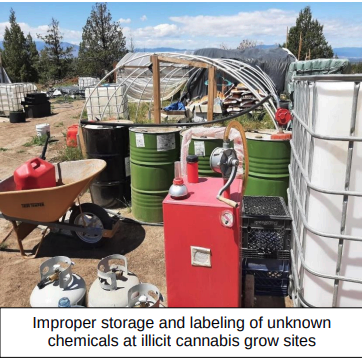
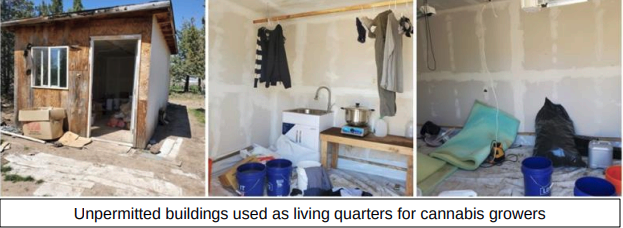
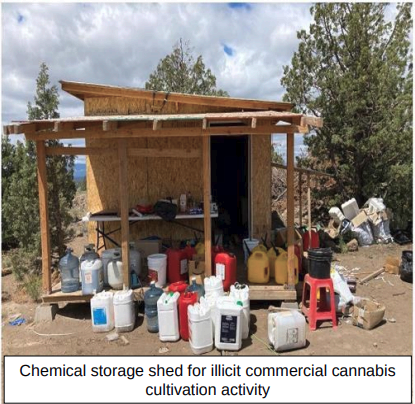
There is also a human cost that doesn't show up in seizure statistics. Some local residents tell the Mount Shasta Observer that they no longer feel comfortable taking their families to Pluto's Cave or nearby areas because of ominous sentry trucks parked in the surrounding area.
This loss is real. A beautiful landscape valued for its geological, historical and cultural significance can effectively become less accessible to the community when people become afraid to visit it.
Again, the documented concern around Pluto's Cave also illustrates why the illegal-grow story is about considerably more than marijuana. Court records concerning Mount Shasta Vista validate allegations of unregulated pesticides and fertilizers, raw sewage, trash and increased violent crime associated with illegal cultivation. (Casemine)
Why Is Everyone Suddenly Talking About Siskiyou County's Illegal Marijuana Problem Now?
Local journalists and law enforcement were documenting this long before September 2026. LaRue was publicly pleading for outside help years ago; Redheaded Blackbelt was chronicling the raids and enormous seizures; Siskiyou News documented the sheriff taking his concerns to Washington; Siskiyou County declared a pesticide emergency; and EPA opened an investigation. Yet the illegal industry apparently remains enormous.
So why is the rest of the country suddenly paying attention now—is this election campaign strategy and political posturing? Whatever the reason, if the new attention brings meaningful resources and real solutions to Siskiyou County, that attention could finally do some good.
What Are Solutions?
What those in the trenches of this battle have suggested so far adds up to a multi-faceted strategy. Siskiyou County and its law-enforcement partners have increasingly treated the illegal cannabis problem as something much larger than simply eradicating marijuana plants.
- Continue coordinated multi-agency enforcement. NSMIT and other task forces have focused on identifying larger operations, serving warrants and building cases rather than simply destroying plants. The Sheriff's Office reported that NSMIT eradicated 332,871 plants and seized 54,070 pounds of processed marijuana in 2025 alone.
Redheaded Blackbelt — NSMIT enforcement results - Reconsider the criminal penalties for large-scale illegal commercial cultivation. A local law-enforcement source put one proposed solution to the Observer simply: large-scale illegal commercial cannabis cultivation should be a felony. The argument is that when an illegal operation can produce enormous revenues, relatively modest criminal penalties may simply become a cost of doing business. California lawmakers could consider distinguishing small-scale cultivation violations from large, organized commercial operations and imposing stronger penalties when factors such as scale, environmental damage, trafficking, illegal pesticides, weapons or organized criminal activity are involved.
- Use stronger civil enforcement against illegal grows. In 2024, Siskiyou County moved to formally treat unlicensed commercial cannabis activity as a public nuisance, allowing immediate civil penalties and creating a mechanism for cases to be referred to the California Attorney General for civil enforcement.
Siskiyou News — Cannabis cultivation declared a public nuisance - Bring in more state and federal resources. Sheriff Jeremiah LaRue has sought additional assistance outside the county. In January 2025, he briefed the Board of Supervisors about meetings in Washington, D.C., resource limitations, federal law-enforcement contacts, illegal pesticides, environmental damage and human/labor-trafficking concerns.
Siskiyou County — January 21, 2025 Board minutes - Treat contaminated grow sites as an environmental and public-health emergency. In July 2025, the Board of Supervisors declared a local emergency after testing identified more than 27 pesticides, including chemicals associated with neurological, carcinogenic and groundwater risks. The County called for a multi-agency response, state and federal assistance, protective measures for first responders and public education.
Siskiyou County — Illegal pesticide emergency - Get dangerous chemicals out of the community. The County has also tried a practical harm-reduction approach: free pesticide-amnesty collection, allowing residents to turn in foreign-labeled or unlabeled pesticides for safe disposal.
Siskiyou County — Illegal Pesticide Amnesty Collection - Protect groundwater and better measure cannabis-related water use. County groundwater planning identifies extraction for illegal cannabis cultivation as a public nuisance and unreasonable use of groundwater. Planning documents also acknowledge that illegal cultivation has expanded while remaining difficult to incorporate accurately into water-budget calculations.
Siskiyou County — Groundwater and illegal cannabis documentation - Look for trafficking victims as well as suspects. Siskiyou County's 2025 Community Health Needs Assessment says Sheriff's personnel have encountered labor-trafficking cases at cannabis grows, including workers dropped off for long periods and workers told they would not be paid until the crop sold. Siskiyou has also joined neighboring Northern California counties in efforts that include identifying potential trafficking victims and connecting them with services.
Siskiyou County — 2025 Community Health Needs Assessment
Jefferson Public Radio — Sheriffs address trafficking at illegal grows - Continue enforcement while protecting innocent residents' civil rights. The Hmong civil-rights litigation has produced another part of the solution: body-camera requirements, language assistance, restrictions on pretextual traffic stops and independent review of Sheriff's Office traffic-stop practices. The County denied the plaintiffs' allegations while agreeing to reforms as part of the settlement. (IJPR)
Jefferson Public Radio — Siskiyou traffic-stop settlement and independent monitor
One piece still appears comparatively underdeveloped: restoring the land after illegal operations are removed. Eradicating plants doesn't by itself clean contaminated soil, remove abandoned structures and waste, restore wildlife habitat or protect culturally important places such as the Pluto's Cave landscape. If this story is ultimately about protecting Siskiyou County, enforcement is only part of the answer; restoration and long-term stewardship of the land are part of it too.
Mount Shasta City has a volunteer organization called "Clean and Safe Mt. Shasta" who coordinates local clean-up efforts for areas polluted by garbage. Does Siskiyou County have a similar group? One local suggested the creation of a "metaphysical toxic waste cleanup." After the criminal activity is removed, these sites will require both.
FINAL THOUGHTS...While Everyone Is Looking at Marijuana, Let's Not Forget Our Forests
 Anastasia Sprout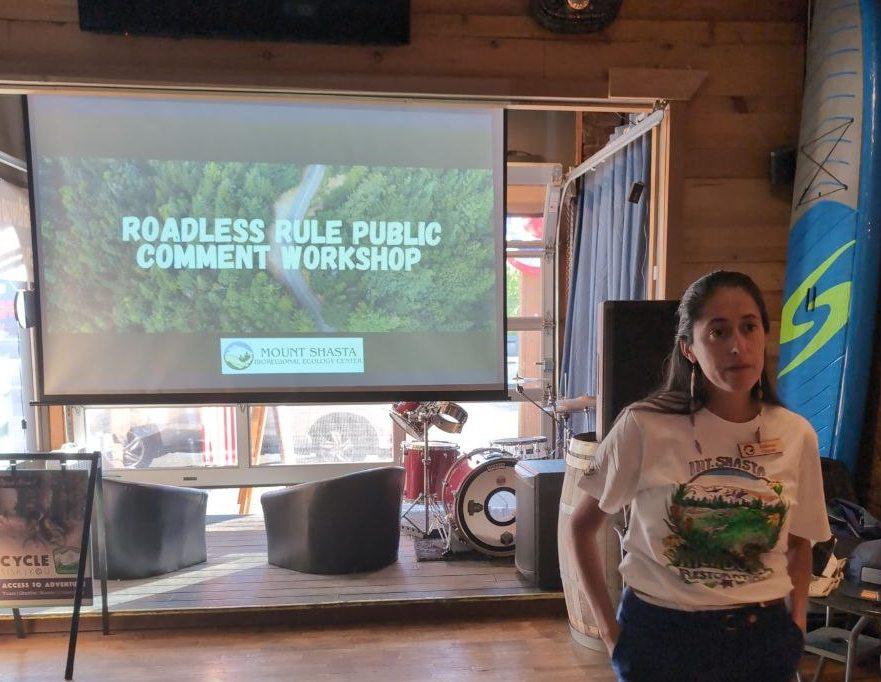
This is a separate issue, but its timing deserves attention. USDA proposed rescinding the 2001 Roadless Rule in August 2026, while the Siskiyou cannabis story surged nationally the following month (see above link "Protecting Mount Shasta's Land" to learn more about the Roadless Rule).
While national attention is suddenly focused on marijuana, who is supporting or opposing the Roadless Rule change, what Siskiyou County lands could be affected, and is there any organizational, financial or advocacy overlap between interests promoting greater access to roadless lands and those amplifying the cannabis story?
August 20: Roadless Rule rescission proposed.
Late August and September: Federal public participation underway.
Mid-September: Siskiyou County's years-old cannabis crisis receives a surge of attention from national political media and across social media.
That does not prove one was designed to distract from the other.
But the timing is interesting enough that the Observer believes both deserve attention.
The marijuana story arriving in people's feeds is increasingly being condensed into three emotionally powerful subjects:
China. Cartels. Newsom.
Meanwhile, a federal decision potentially changing the management framework for roadless national-forest lands is proceeding with considerably less public attention.
There is even an intersection between the two stories. Illegal cannabis cultivation on public lands has long been used as an argument for greater law-enforcement access and environmental cleanup. The Forest Service itself has participated in cannabis eradication operations involving illegal roads, water diversions, banned pesticides and cultivation infrastructure on public lands.
While everyone is looking at the marijuana, the Observer will also keep watching the land.
Comments ()